Boo! 10 Habits That Could Be Scaring your Pelvic Floor
By: Hannah Lattanzio-Kotsiris, PT, DPT
Happy Halloween! Did you know you may be frightening your pelvic floor without realizing it? This month’s blog outlines 10 spooky habits most of us do daily that may contribute to pelvic floor dysfunction. I also included some tricks throughout to treat your pelvic floor right!
1. High Stress and Constant Clenching
Stress management is an integral part of maintaining your pelvic floor health. When people are stressed they tend to hold tension in their bodies and the pelvic floor is no exception. Chronically tight or hypertonic pelvic floor muscles can lead to a variety of symptoms including but not limited to: painful sex, urinary urgency and constipation.
The first step in reducing chronic pelvic floor tension is to build a mind-body connection with your muscles, and a pelvic floor physical therapist can help! Through an internal assessment of the pelvic floor structures, your therapist can help you build this connection and further assist you with relaxation or strengthening techniques if necessary.
2. Hovering over the Toilet Seat
I know that public restrooms are not everyone’s cup of tea and I’m not trying to convince you otherwise. Many people hover over public toilets while urinating because they may be wary of pathogens. While this makes sense it is still beneficial to sit while urinating. When you hover or squat over the toilet you are activating your pelvic floor, hips and core while these muscles should instead be relaxing. Hovering can contribute to incomplete bladder emptying, urinary tract infections, and pelvic floor weakness or dysfunction.
I would recommend using toilet paper or toilet seat covers if you are worried about touching the surface, and of course a reminder to wash your hands. It may be helpful (or not) to remember that your phone has more germs than the toilet seat!
3. Ignoring the Urge to Empty Your Bowels
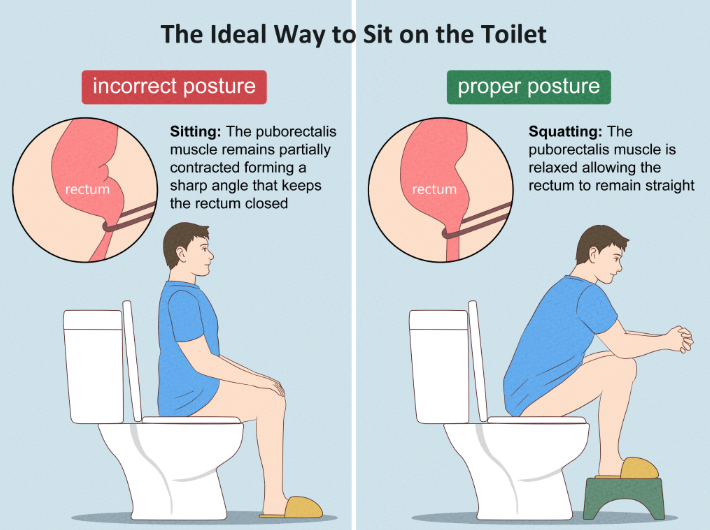
While on the theme of public restrooms, another common problem is “poop shyness”, or not wanting to have a bowel movement in public. I totally get that – however ignoring the call to stool as we say, can negatively affect your pelvic floor function. Chronically suppressing the urge to have a bowel movement can lead to constipation, fecal incontinence, losing the natural urge to pass stool, straining (with increased risk of anal fissures and hemorrhoids), and ultimately pelvic floor dysfunction.
If this sounds like you, I suggest using items like Poo-pourri to eliminate odors or playing music/videos while on the toilet. I did see a post online from a woman who puts on different shoes while using the restroom so colleagues don’t know it's her – this one made me chuckle but is certainly an option! I also recommend using a trash can if available as a makeshift squatty potty for efficient stool evacuation. Please visit our post about bowel health for additional info.
Finally, if this concept still scares you because it takes you too long to have a bowel movement, I would recommend checking in with your doctor or pelvic floor physical therapist as the total time to eliminate stool should be under 5 minutes.
4. Crossing your Legs
This one is as annoying as it is true. When you cross your legs, especially the knee-over-knee variety, you are creating asymmetrical angles and muscle imbalances in your pelvic floor. Over time this can lead to permanent asymmetries of not only the pelvic floor but also its relationship to other supporting muscles including the core and gluteals. This is why most of us have a dominant side and crossing the legs in the opposite direction feels so awkward.
The obvious solution is to keep the legs uncrossed. However I know we are only human and it will inevitably happen again, so I recommend crossing lower on the legs (shins or ankles) and alternating which leg is on top, while trying to avoid crossing all together if you can.
5. Sucking in your Stomach
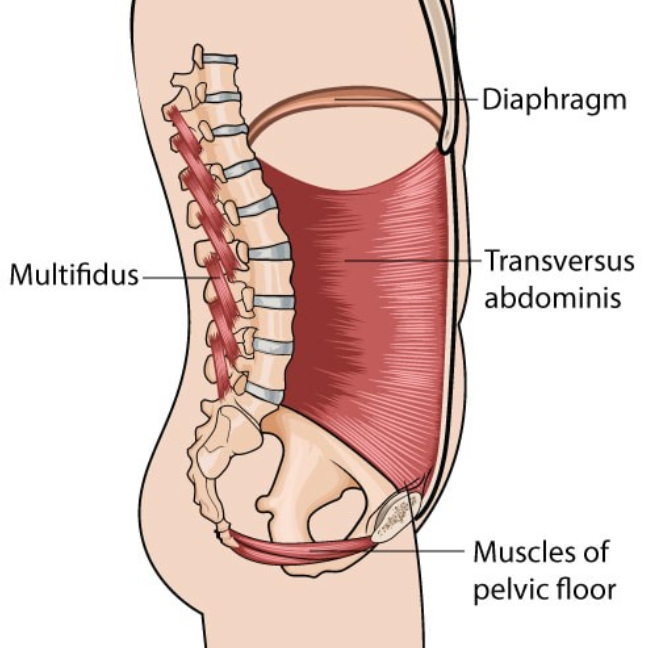
Sucking in your stomach is another common habit that can lead to pelvic floor dysfunction because the diaphragm is unable to expand completely. The diaphragm and pelvic floor have a direct relationship similar to a pressure canister system and if the diaphragm cannot lengthen and contract fully, neither can the pelvic floor. When inhaling, the diaphragm contracts and descends to make room for the lungs to fill with air, and thus the pelvic floor descends as well – this is relaxation or lengthening of the pelvic floor. Exhaling results in both the diaphragm and pelvic floor elevating back to their resting positions (on the exhale is when one would perform a kegel to further elevate the pelvic floor). Sucking in the stomach creates rigidity of the abdominal wall, pelvic floor, and diaphragm leading to dysfunction and muscle tension.
6. Wearing High Heels
Your favorite footwear may be contributing to pelvic floor dysfunction. Like most points in this post, a once-in-a-while approach is not going to influence your pelvic floor in a meaningful way, but wearing thin, high heels daily can certainly take a toll. This is because unless you have amazing ankle flexibility, wearing heels changes your center of mass and your body has to compensate in other ways to make up for it. Common postural changes include knee hyperextension, an anterior pelvic tilt and tilting the ribcage backwards. Many of us find this posture flattering as it can accentuate the chest and gluteals, though this position can create dysfunction of the trunk and ribcage and thus the pelvic floor.
7. “Just in Case” Peeing
This one I know stems from childhood with your mom telling you to pee before you leave the house. And while I understand where she was coming from, continuing this habit beyond childhood years creates both bladder and pelvic floor dysfunction. The bladder is an excellent learner and creates neural programs based on your bladder habits. Urinating before you are ready teaches the bladder to empty when it is not yet full. Over time the bladder will begin to signal it is time to pee when there are only a few drops in the bladder, leading to urinary urgency and frequency, and even UTI-like symptoms.
This one can be a hard one to un-do but essential for your bladder health! Feel free to check out our blog post about healthy urinary habits for more information.
8. Wearing Tight Clothing
We know that polyester isn’t the best fabric for our underwear because it can encourage yeast infections and BV, but did you know that tight clothing can contribute to pelvic floor muscle dysfunction? Tight underwear and pants can constrict your abdominal and leg muscles resulting in a reduction in blood flow, increase in nerve irritation, stiffness and pain.
I typically recommend wearing cotton underwear when possible, and opting for loose-fitting pants – especially if you have a pelvic floor condition and are experiencing an exacerbation or flare.
9. Prolonged Sitting and Slouched Posture
Similar to the point about sucking in your abdominals, prolonged sitting in a slouched posture can lead to imbalances of the pelvic floor, core and hip musculature. These imbalances cause the pelvic floor muscles to rest in a maladaptive position, leading to pelvic floor muscle weakness, hypertonicity and dysfunction. Over time this dysfunction causes trigger points to form in the pelvic floor musculature creating pelvic pain. Slouching can also lead to an increase in intra-abdominal pressure affecting organs such as the bladder and intestines, potentially leading to constipation, pelvic organ prolapse or stress incontinence.
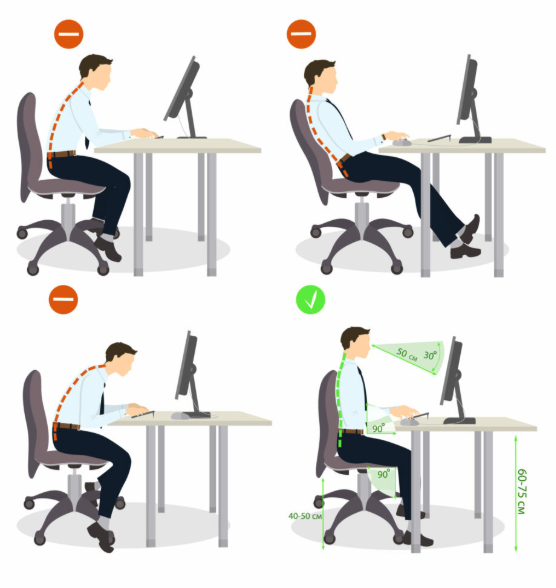
The broadest form of advice is to be aware of your posture and perform posture-checks throughout the day. The easiest way to do this is to set a timer on your smart device every hour or so. This is not a long term solution and may be a bit annoying, but is a great way to get in the habit of checking in. I also recommend taking breaks every hour or so during the work day to stand, stretch and move around if possible.
10. Doing Kegels without Seeing a Pelvic Floor Therapist
When most people think of pelvic floor physical therapy they think of kegels, and oftentimes when meeting a patient for the first time they say something along the lines of “at least I’ve been doing my kegels!” While kegels, or pelvic floor muscle contractions, are not bad by any means, they may not be right for everyone right now. A lot of individuals who have pelvic floor dysfunction have a hypertonic pelvic floor or muscles that are too tight. If a muscle is already too tight and is resting in a contracted state, contracting this muscle further can create more tension and dysfunction. For most people with hypertonicity, we must lengthen the muscles first through relaxation and downtraining techniques before we then move on to strengthening the muscle through kegels and other exercises. Furthermore, many people do not know how to perform a kegel correctly to begin with, and a pelvic floor therapist can be a great place to start!
I like to use the example of the bicep curl: if you are already performing the curl and I tell you to contract your bicep, you are simply shortening this muscle more and the contraction is weak. We must first lengthen the bicep by straightening the elbow to allow for full range of motion before then resuming bicep curls.
The only way to truly determine if your pelvic floor muscles are too tight or relaxed is through a pelvic floor internal assessment. Your pelvic floor physical therapist is trained to provide these assessments and determine the best path moving forward to address any deficits. If a pelvic floor therapist is unavailable to you, there are ways to perform your own pelvic floor assessment including using your own hands or a mirror. If your pelvic floor is hypertonic your pelvic floor PT may recommend different muscle lengthening techniques, or recommend a strengthening program if the tone is hypotonic.
Still have questions? Contact us for more information!
Approved by Dr. Lattanzio-Kotsiris, PT, DPT