Is Your Jaw Contributing to Your Pelvic Pain? The Connection Explained
By: Dr. Hannah Lattanzio, PT, DPT
Did you know your jaw and pelvic floor muscles are connected? Not just metaphorically speaking but actually connected through musculoskeletal and fascial pathways? It’s true! Emerging research supports a relationship between pelvic floor and jaw musculature, stress/anxiety, sleep quality, and sexual dysfunction. Despite recent evidence, there is a gap in understanding the specific correlation between the jaw, pelvic floor, and lifestyle factors. Below is a brief introduction into jaw and pelvic anatomy before diving deeper into their relationship.
The Temporomandibular Joint
The Temporomandibular Joint, or TMJ, is a joint that connects your jaw bone to your skull. The TMJ is one of the most heavily loaded joints in the body because it is essential for 2 key elements of daily life: mastication (chewing) and communication. When the joint is impaired and results in painful symptoms, this is referred to as Temporomandibular Dysfunction or TMD.
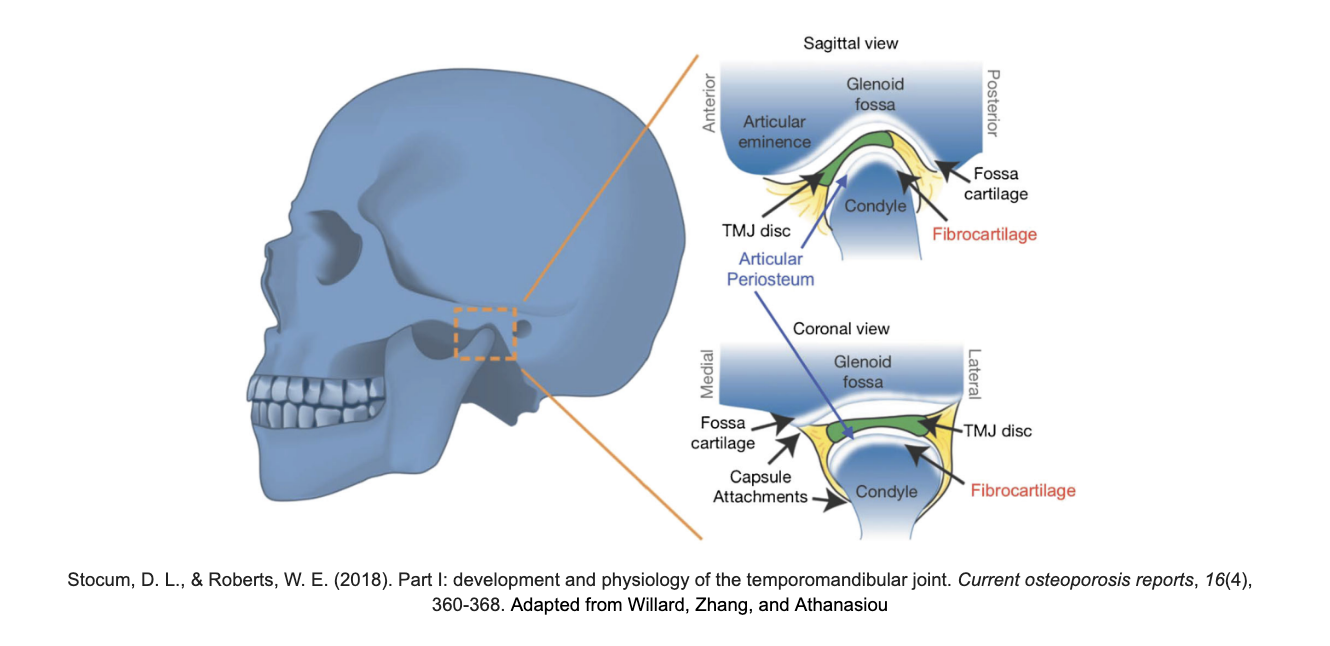
The exact cause of TMD can be difficult to determine and can be a result of multiple factors including:
Teeth grinding
Jaw clenching (during the day or night)
Nail biting
Excessive gum chewing
Stress
Symptoms of TMD typically manifest as pain (of the ears, jaw, teeth, eyes, face, and head), painful clicking/popping, or the inability to fully close or open the jaw. If clicking or popping is present but not painful, treatment is not typically indicated. Treatment is typically provided by dentists, physical therapists or other TMJ specialists. Surgery is an option but is considered a last resort.
The Pelvic Floor
Your pelvic floor is a network of muscles, bones, fascia and other structures that support sexual function, bowel and bladder function, reproductive health, postural control and core pressure management. Similar to TMD, when the pelvic floor becomes symptomatic this is referred to as Pelvic Floor Muscle Dysfunction.
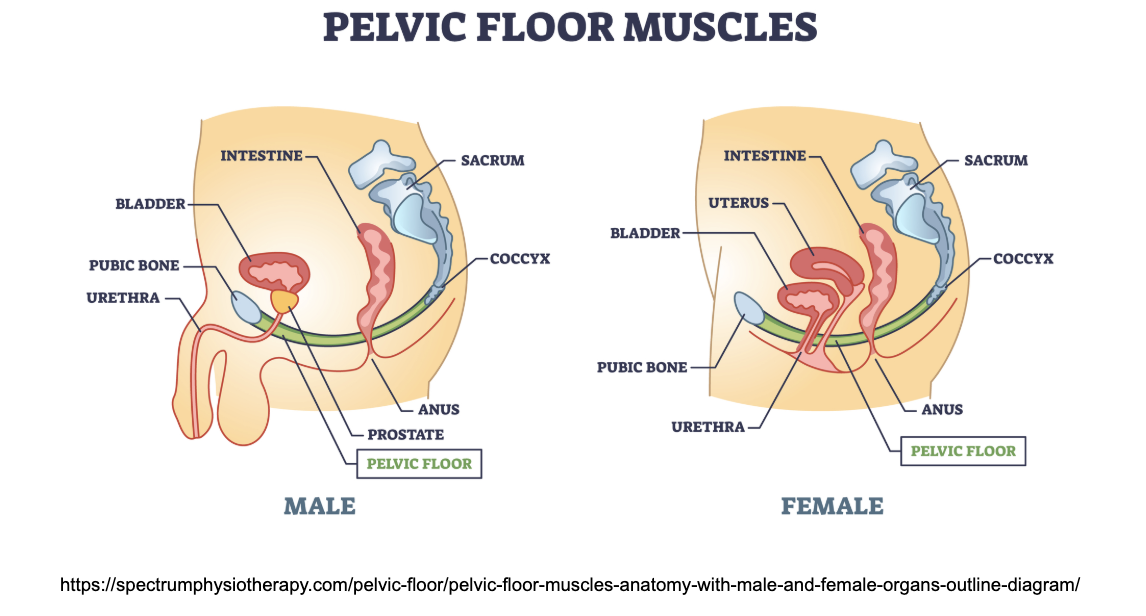
Pelvic floor dysfunction is thought to be caused by a variety of factors including pregnancy and childbirth, surgeries, pathologies such as PMOS or endometriosis, or lifestyle factors such as posture and stress. Anyone of any gender or age can experience pelvic floor muscle dysfunction (PFD).
Symptoms of pelvic floor dysfunction can include but are not limited to:
Urinary incontinence
Pelvic or abdominal pain
Constipation
Painful intercourse
Fecal smearing
The Jaw and Pelvic Floor Connection
Now that we have reviewed the jaw and pelvic floor, we can learn how they influence one another. The temporomandibular joint and pelvic floor are connected through a fascial pathway called The Deep Font Line (DFL). This chain of connective tissue runs from the base of the skull to the sole of the foot, with connections to the jaw, hips and pelvic floor in between. Because all structures are connected, dysfunction in one area may influence other regions as well. For example, an individual who clenches their jaw in response to stress may also clench their pelvic floor as well, leading to tension and pain in both areas.
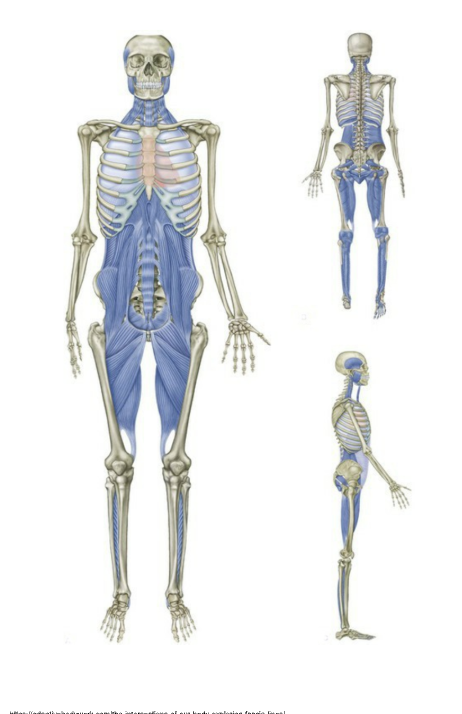
While studies are limited, there is emerging evidence further supporting this concept. One study found that dental occlusion and TMJ function can influence labor and delivery during the expulsion phase. The authors highlight that optimal dental occlusion allows for efficient force production from the upper body to the pelvic floor, potentially shortening the second stage of labor. Another study found a strong correlation between stress, TMD and PFD in both male and female individuals. They found that dysfunction in one part of the myofascial network can lead to compensatory postural changes throughout the body, which provides a direct fascial link between the jaw and the pelvic floor. Finally, another compelling study found that a single session of TMD manual therapy relaxed the pelvic floor muscles and improved their activation levels. This finding shows the connection between the pelvic floor and TMJ is more than correlational and can be used for therapeutic treatment.
When we feel stressed, we tend to clench our jaw, shrug our shoulders and hold our breath–and may even clench our pelvic floor muscles without realizing it. If this pattern becomes chronic it can lead to pelvic floor or temporomandibular dysfunction. This connection is further illustrated in how the breath and pelvic floor work together to support your trunk and posture.
Think you may have a hypertonic pelvic floor or TMD? Try these suggestions below to encourage pelvic (and jaw!) relaxation:
Unclench your jaw
Drop your shoulders
Perform diaphragmatic breathing
Relax your gluteal muscles
Consider physical therapy for your pelvic floor and/or jaw muscles
Still have questions? Contact us for more information!
Approved by Dr. Lattanzio